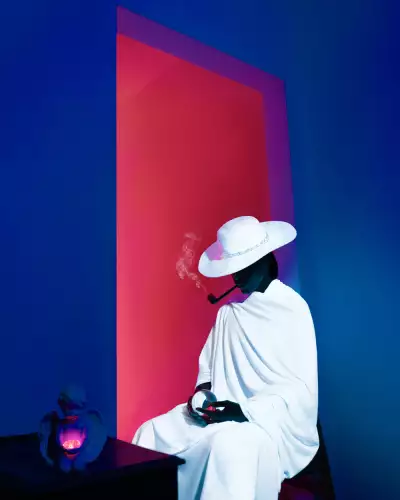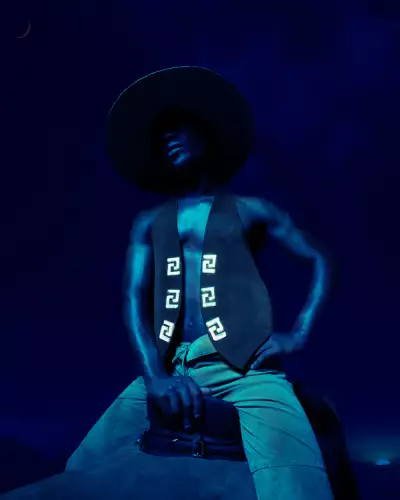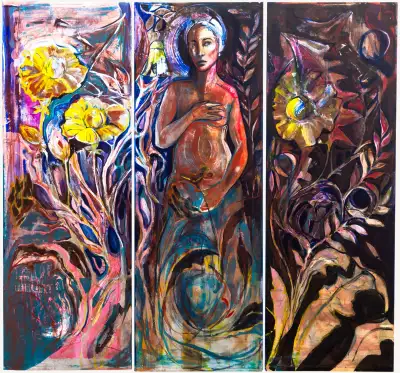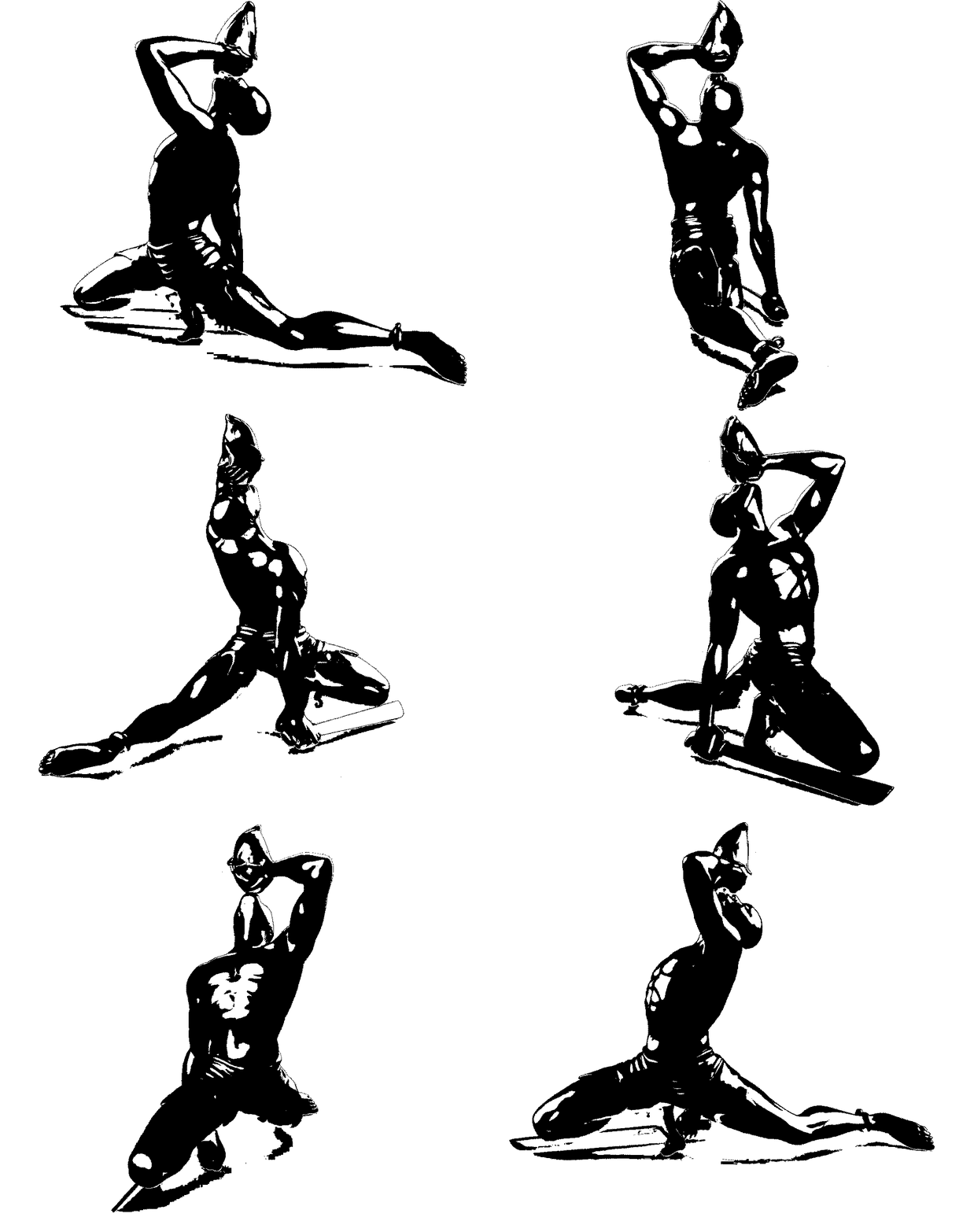
AKIA DORSAINVIL
KB–AU–FL.01
Miami, FL
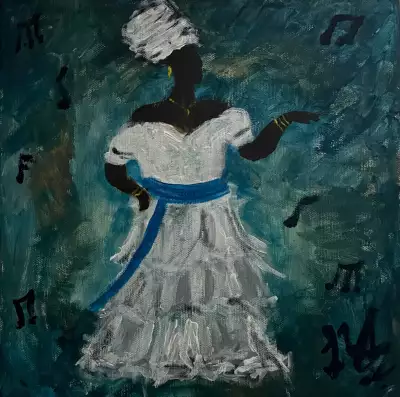
I’m A Collection of Every Sound I’ve Heard
I’m A Collection of Every Sound I’ve Heard
I’m A Collection of Every Sound I’ve Heard
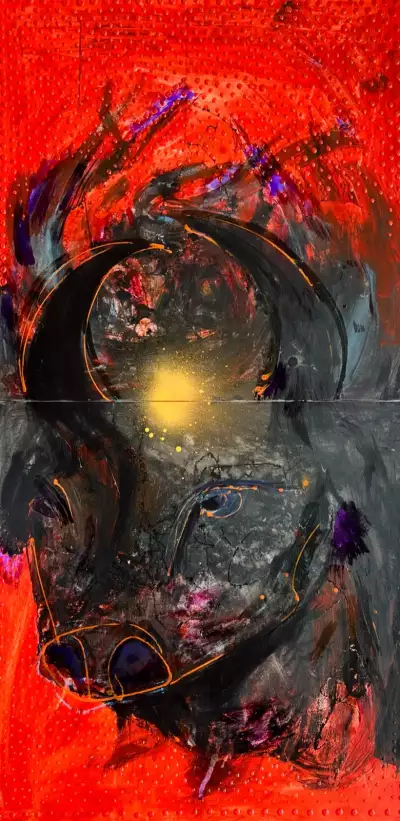
BEVERLIE
LK–WR–NY.03
New York, NY
Access and safety are not always within reach.
In learning who you are, you must first question the meanings you’ve been given. You must
embrace repetition in developing new meanings to create the foundational structures that will
hold you.
It’s crucial to find the places where you belong and the people who reflect that belonging back to
you, but first, you must learn to define yourself.
At the start of my journey, I understood home as a physical boundary, yet I did not realize who I
was in it–or who I needed to be outside of the rigid performance that it forced me into.
When I was seven, my grandmother would wake me up to prepare for church. I hated church and
often found the routine overwhelming and lessons contradictory; my curiosity was usually seen
as rebellion and dismissed as rudeness. My lack of obedience was frequently rewarded with
punishment and humiliation. And every Sunday, I prepared myself to beg not to go, and every
Sunday, I was stuffed into a stiff dress that never felt quite right, baby powder on my neck, the
smell of smoked fish on my breath, and long bows tied to my short, coily hair.
At school, home was described as a physical boundary meant to offer protection—a shelter from
the harsh conditions of the outside, a refuge where identity could bloom. Since I had no access to
this home, it became important to reshape its meaning.
I didn’t yet have the language to validate the isolation I felt from everything and everyone. What
I knew was this: I wasn’t myself yet. And in the act of waiting—because wanting was not
allowed—I began to understand the miles and miles between what I was and what I desperately
needed to become. That distance and longing became my earliest definition of home: a place just
out of reach, waiting for me to grow into it.
As I grew, home evolved further. It became an act of reclamation—a space where my deepest
truths demanded sight, where the outrageous could only be seen through vulnerability and
nakedness. My understanding of home shifted from a place of confinement and violence to a
canvas for self-definition. And my body was the perfect place to start. Through this
transformation, I realized that true belonging begins with submitting to being misunderstood,
embracing every intersection identity has to offer, no matter how complex or contradictory. Only
by grounding myself in this understanding could I begin to see myself as a home that was truly
mine.
Reading became my lifeline.

CHRISTOPHER NAZON
EP–PH–FL.06
Miami, FL
CRISTINA MAINGRETTE
EP–MM–FL.07
Miami, FL
DAVEED BAPTISTE
LK–EP–PH-NY.09
Brooklyn, NY
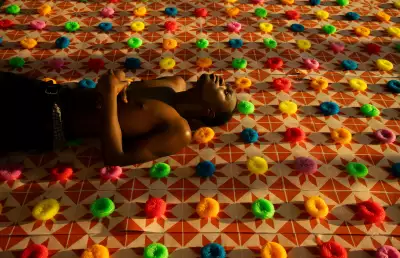
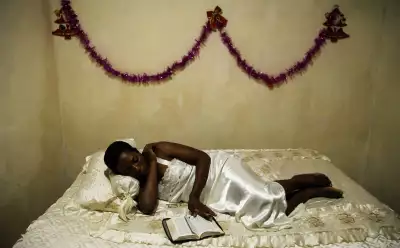
DAY BRIERRE
LK–SC–IL.10
Chicago, IL
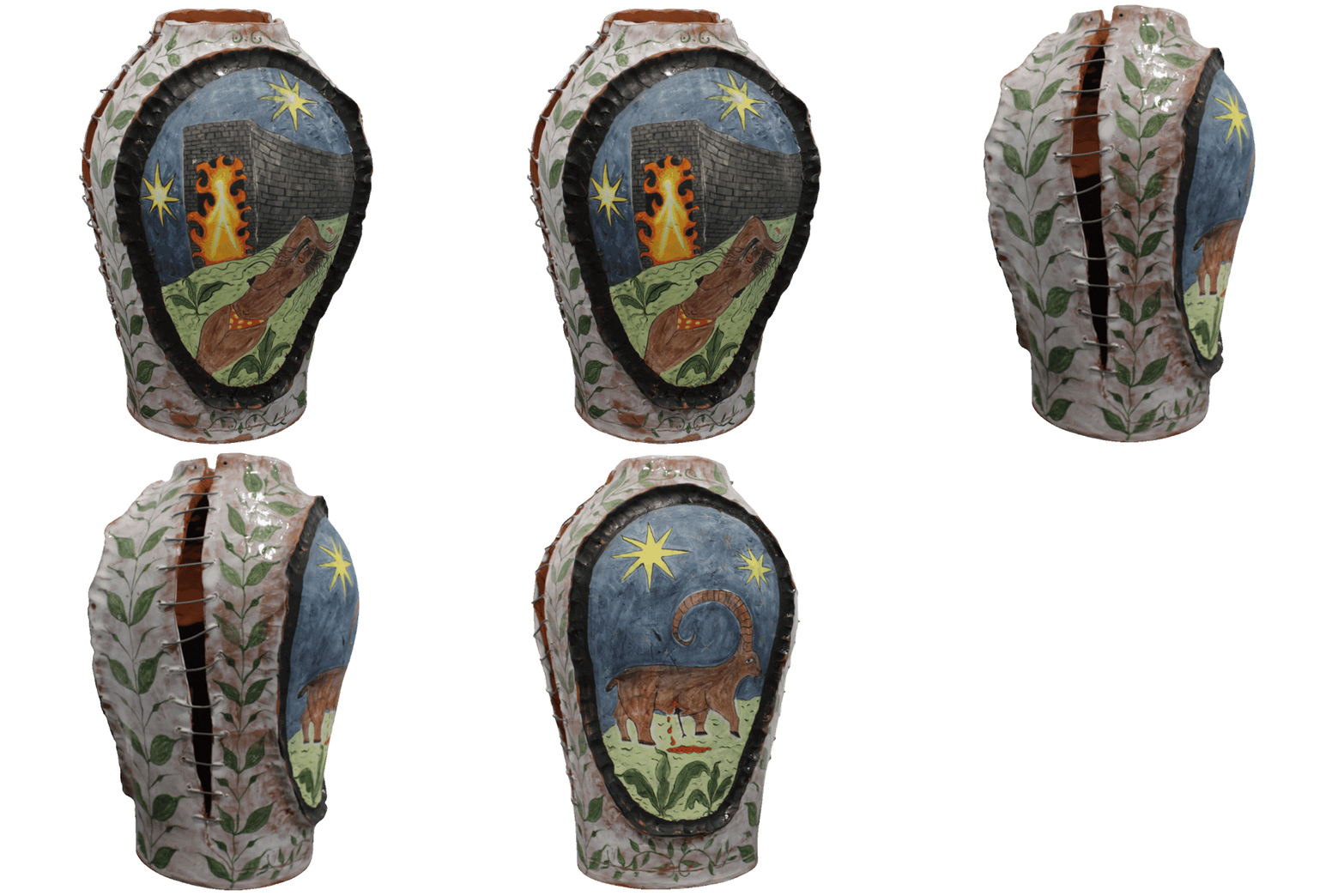
DIMITHRY VICTOR
LK–KB–PT–NY.11
New York, NY
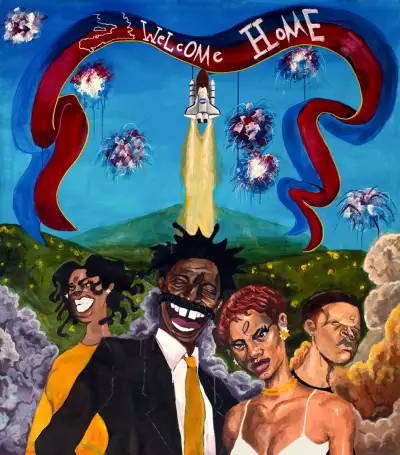
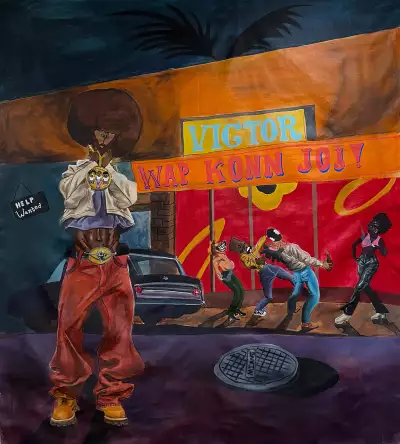
EMILY MANWARING
LK–PT-MM–NY.12
Brooklyn, NY
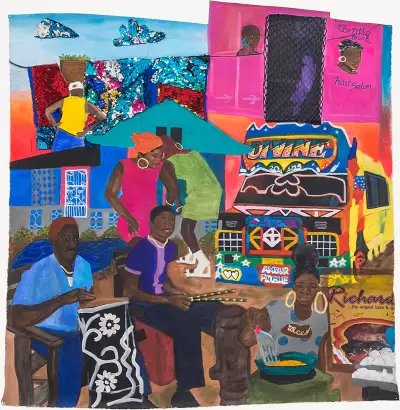
EMMANUEL MASSILON
LK-EP-KB–SC–MD.13
Baltimore, Maryland
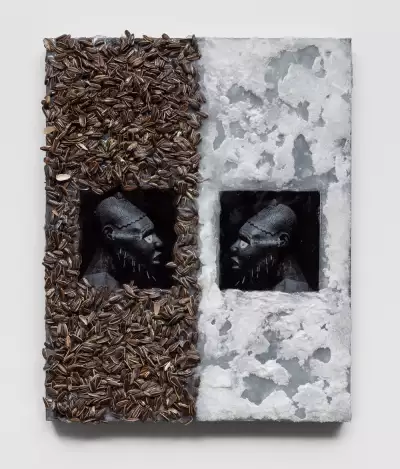
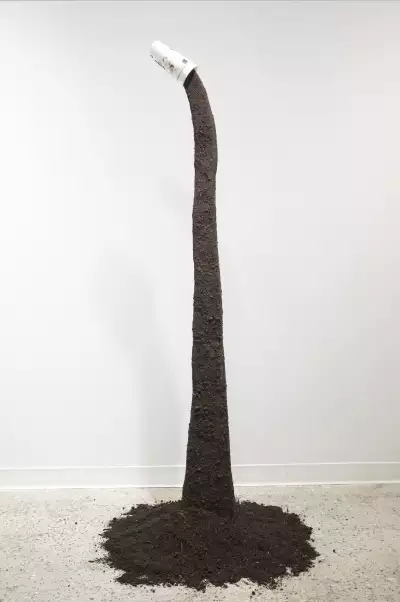
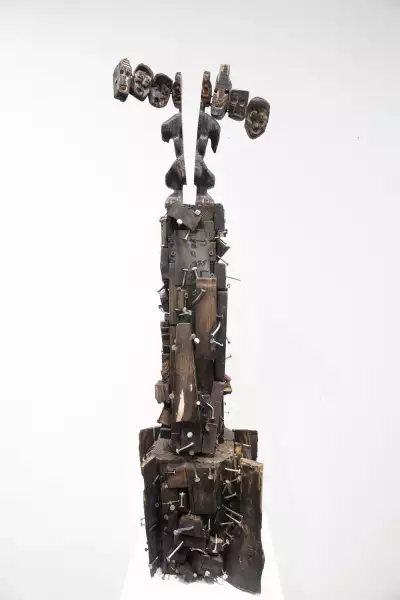
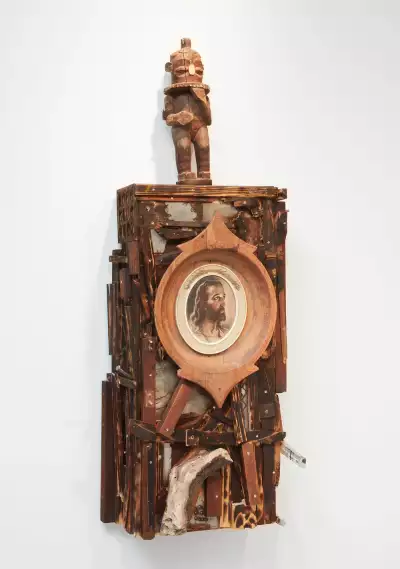
FRANTZ LEXY
LK-EP–PT-MM–MA.14
Boston, MA
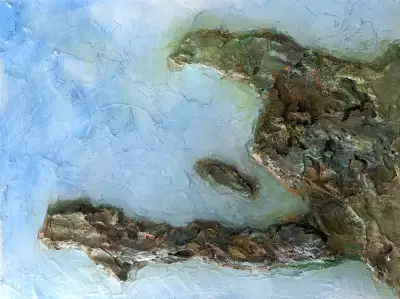
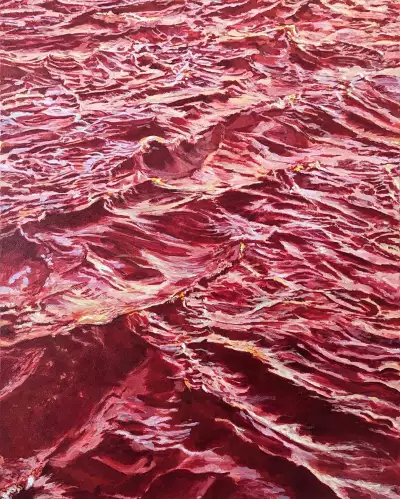
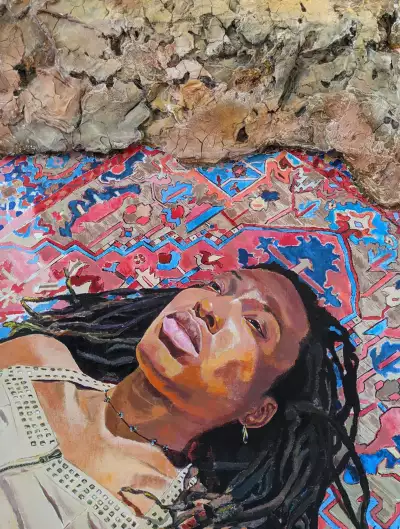
GABRIELLE NARCISSE
EP–SC–NY.15
Brooklyn, NY
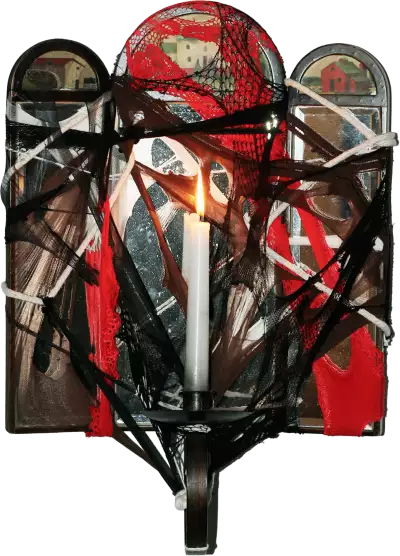
GALA PRUDENT
LK–EP–FI-NY.16
Brooklyn, NY
G L O W Z I
LK–EP–CL-FI-QC.17
Montréal, QC
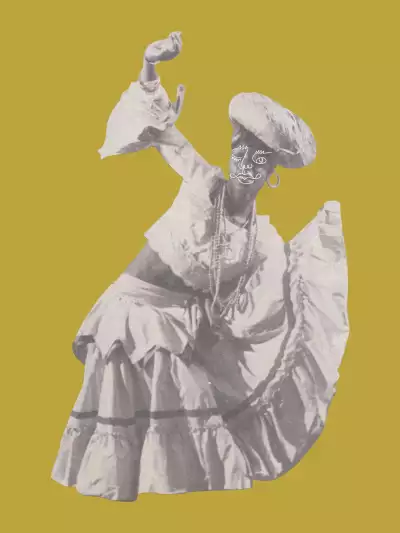
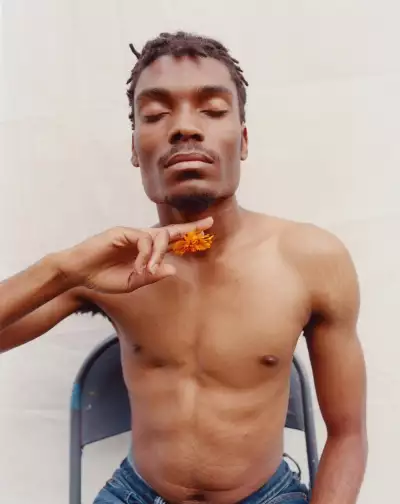
KAYRA THEODORE
EP–SC-NY.22
Elmont, NY
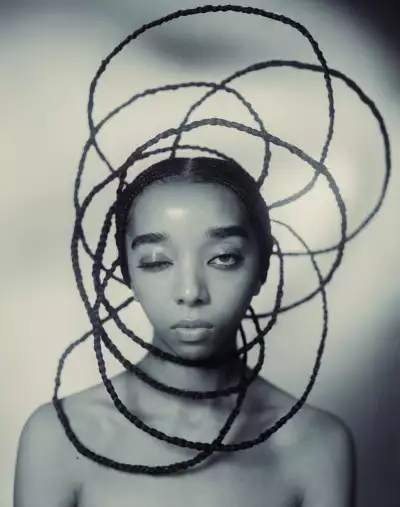
KELEE WILLIAMSON-HALL
LK–KB–PH-FI-NY.23
Brooklyn, NY
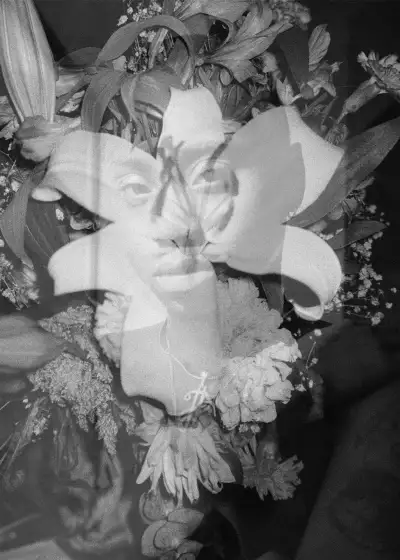

KERANE MARCELLUS
LK–WR–NY.24
Brooklyn, NY
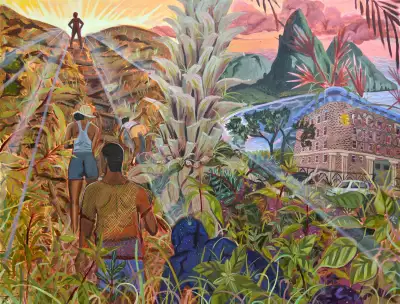
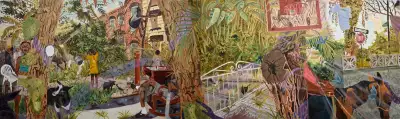
I think I remember being in your arms, Auntie
I think I remember you holding my hand to board the plane and maybe me falling asleep in the seat next to you
I think I remember when we landed.
Maybe I cheered and you joined in?
I think I remember the immediate warmth of the sun
Women holding large baskets on their heads in a market with foods and trinkets in every direction I turned
Maybe I begged you to buy me something as a keepsake
“Bonswa,” I think I hear them say
I think I remember being in Port-Au-Prince or maybe another major city in Haiti?
I think I remember leather-skinned women pinch my cheeks and tickle me until I squealed
“Yon bel ti fi,” I think I hear them say
I think I remember practicing my creole, it must have been much better then
“Sak pase,” I think I hear from baritone voices
I think I saw women in a kitchen over large pots stirring sweet jasmine rice and brown rice with beans
The smell of goat and chicken and beef spiced to perfection permeate the air
I think my grandmother must’ve been there, touching the hot with her bare hand
I think I felt like doing the same but thought better of it
“Grann ap priye pou ou,” I think I remember hearing
I think I remember clapping and wailing and fervent praises at a church
A low ceiling, long pews, and big, big hats decorated with intentional flair
I think I remember joining in, mimicking the women I heard
Clapping my growing hands, and singing powerful hymns I had yet to understand
I think I remember walks throughout the day, many where I’m getting held
I think I remember seeing homes look like they’re stacked on top of each other, creating a grid of colorblocked pastels
I think I remember the beach
The sound of peaceful waves crashing on the shore, the sand between my growing toes, the shells I must’ve collected but lost
“Pa ale twò lwen” I think I remember hearing but pretended not to
I have to go back to make sure
LAMAR ROBILLIARD
LK–EP–SC–NY.25
Brooklyn, NY
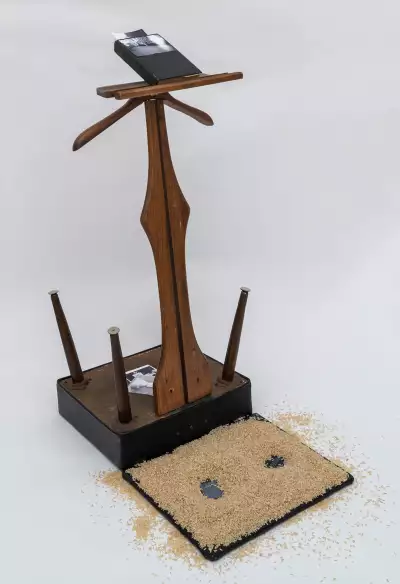
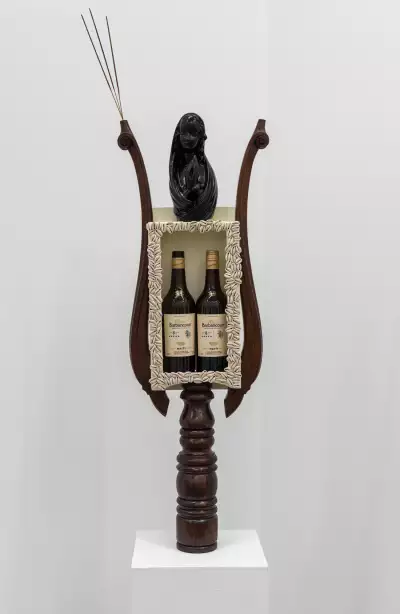
MADJEEN ISAAC
KB–PT–NY.27
Brooklyn, NY
MAMOU FRANÇOIS
KB–WR-NY.28
Brooklyn,NY
When I walk to the market with my pots,
my hands are steady, my back straight.
The earth is beneath my feet, and over my head.
The weight of it is on me, in me, through me.
I cannot stop for anything.
Not for the heat.
Not for the rain.
Not for the men who stare at my body like it’s not my own.
I walk because if I don’t,
the pots will slip.
The clay will break.
And everything I have will shatter.
I know how to carry the pots,
how to walk like I’m not carrying the weight of the world on my shoulders— though I am.
I walk because there’s no one else to do it,
because children must be fed,
because mouths wait at home—
hungry.
I don’t make the pots,
I only sell them,
but I carry them like I made them,
like my hands shaped the clay,
molded the vessels
that hold the life of the village.
I never show weakness,
I never stumble,
I never let them see me sweat.
The men who sit in the shade,
their arms crossed,
the ones under the bare mango tree, with their wandering eyes, will take everything from me if they see I am tired.
They’ll think I am less than the pots I carry.
So I keep walking,
feet steady on the dirt path,
head high.
I must be careful of the cracks—
the cracks in the pots,
the cracks in my spirit.
The men who sell fish, the ones who sell sugar, they may think themselves more important, but I know better.
I sell the pots that hold the food they sell. I sell the pots that make the food bearable.
Without me, there’s no meal, no community.
The pots are made from the clay of the earth, from soil that belongs to none.
But on my journey, the pots belong to me, in the only way they can:
in the shape of a vessel.
I carry it because I must,
because I have no choice,
because no one else will.
And when the day ends,
when the sun sinks low and the market empties, I walk home,
feet sore, heart heavy.
I will rest, but only for a moment,
because tomorrow will come,
and I will walk again.
The pots will wait for me.
I will carry them,
and they will carry me.
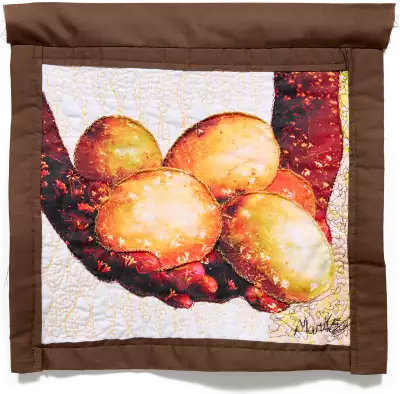
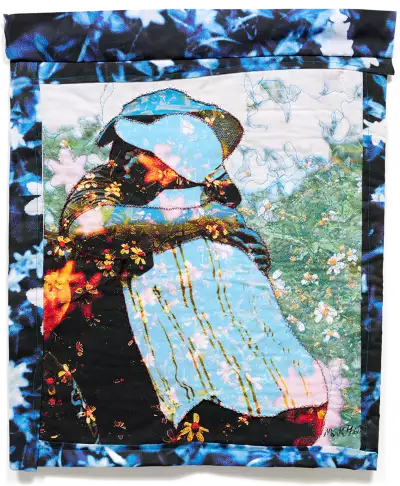
MARK FLEURIDOR
KB–CL-MM–NY.29
Brooklyn, NY
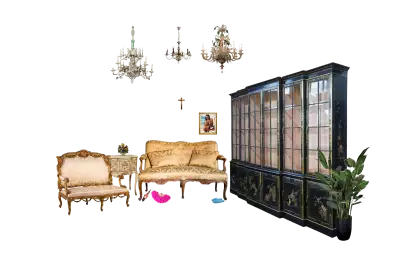
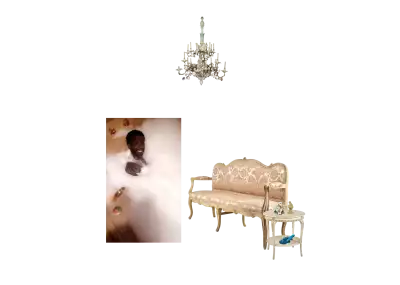
MELIANA JULIEN
LK–CL–IL.30
Chicago, IL
MICHAËLLE SERGILE
LK–TT-SC-MM-QC.31
Montréal, QC
MIKAEL SEMEXANT
LK–KB–PT–FL.32
Port St. Lucie, FL
MITHSUCA BERRY
EP–KB–TT–PA.33
Philadelphia, PA
MITZAEL JEAN BAPTISTE
EP–KB–PT–NY.34
Deer Park, NY
MOREL DOUCET
EP–KB-MM-SC-FL.35
Miami, FL
MOSES LEONARDO
EP-KB–PT–NY.36
New York, NY
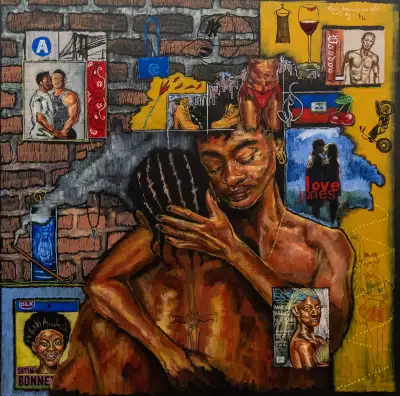
NA'YE PEREZ
LK–EP–KB–MM–NY.37
Brooklyn, NY
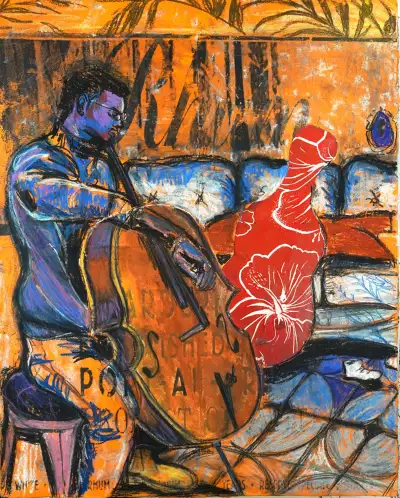
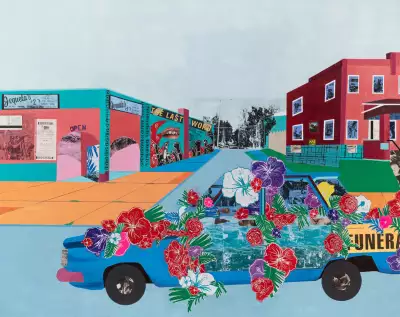
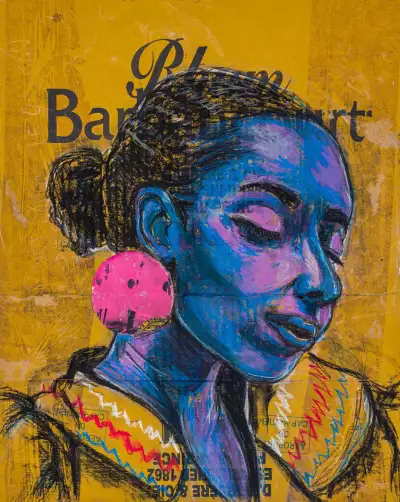
ROBERT PROVILUS
LK–EP–PT–NY.38
Brooklyn, NY
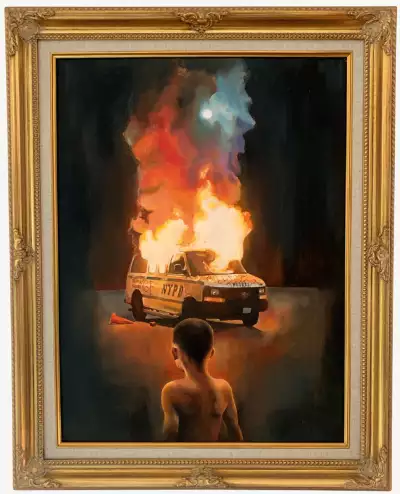
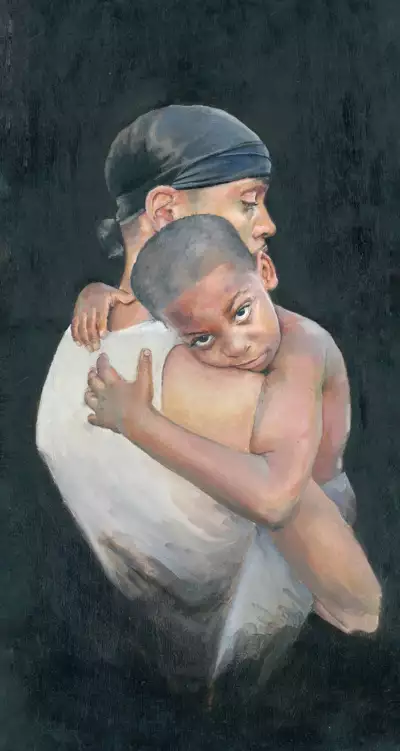
ROSE ALEXIS
EP–PH-FL.39
Miami, FL
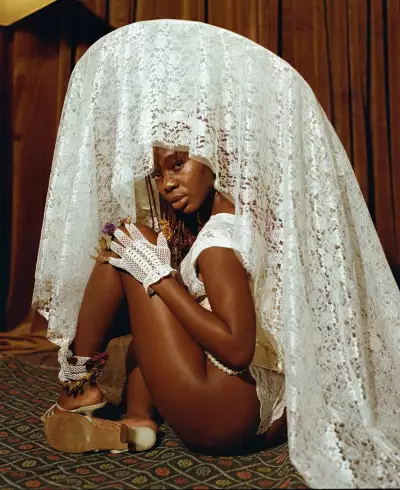
RYAN COSBERT
KB–PT–NY.40
Brooklyn, NY
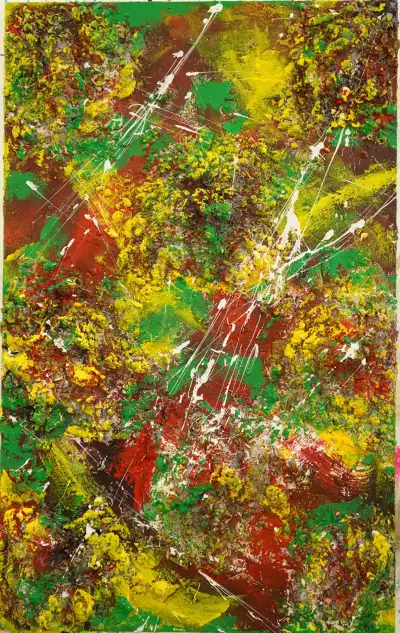
STEVEN BABOUN
LK–KB–PH–NY.43
Brooklyn, NY
SYDNEY ROSE MAUBERT
EP–CL-PT-PH-MM–IL.44
Chicago, IL
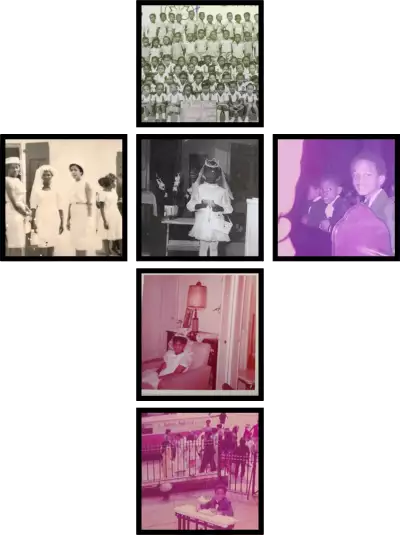
TABITHA CHERUBIN
LK–PH–FL.45
Miami, FL